1. Executive Engineering Overview: The Evolution of Electric Axle Components
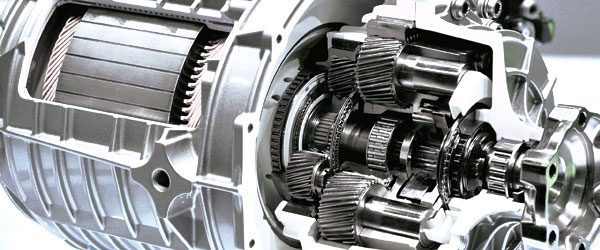
The global automotive industry is undergoing a structural transition toward integrated electric drive systems (e-Axles). Combining the electric motor, power electronics inverter, and reduction gear transmission into a single unified housing—often designated as a 3-in-1 e-Axle—presents extraordinary mechanical engineering challenges. Unlike legacy internal combustion engine (ICE) powertrains where combustion noise masks mechanical gear whine, electric motors operate nearly silently while spinning at rotational speeds exceeding 16,000 to 22,000 RPM.
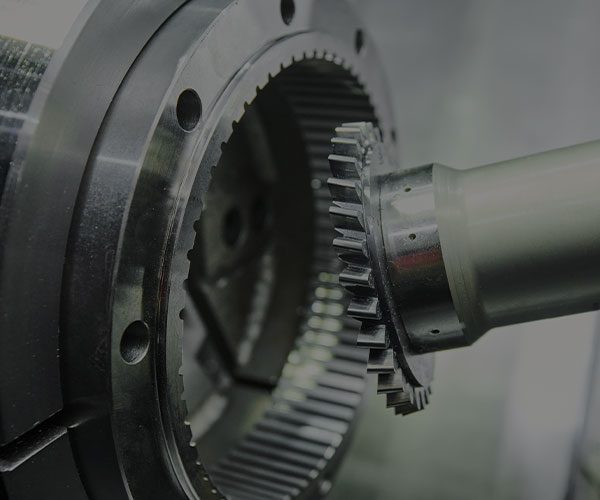
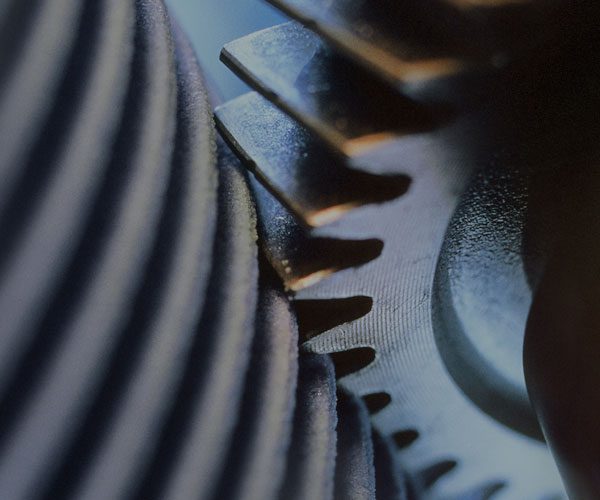
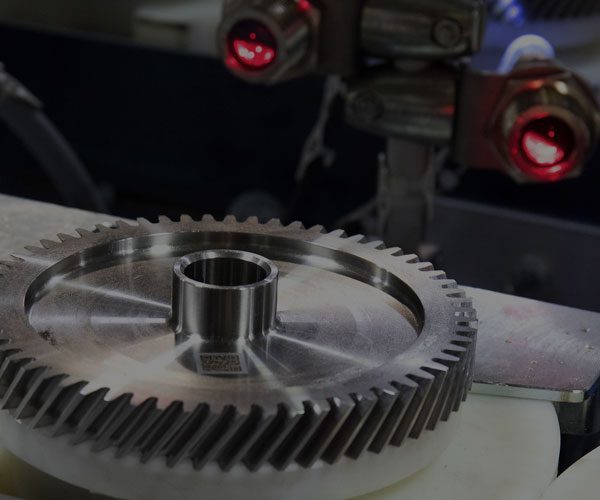
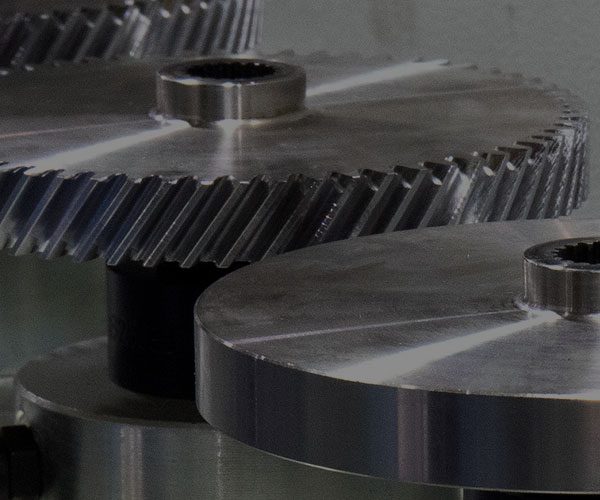
Consequently, Electric Axle Components demand an order-of-magnitude leap in machining precision, gear tooth micro-geometry customization, shaft concentricity, and surface finish integrity. At pitch line velocities surpassing 80 m/s, minor profile errors or microscopic surface undulations create high-frequency order vibrations, manifesting as unacceptable acoustic noise inside the passenger cabin.
Key Information Gain for EV Procurement Teams:
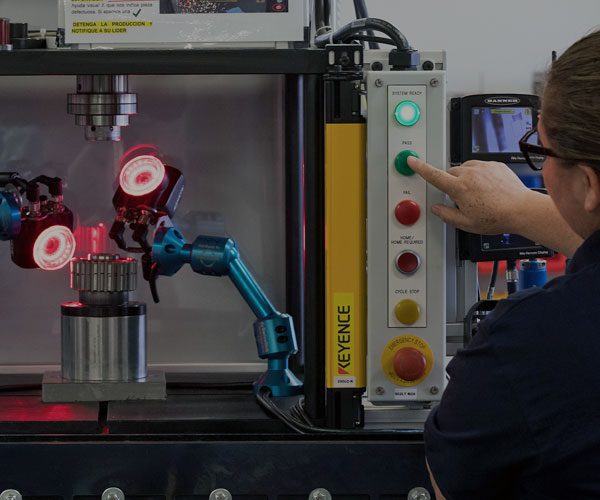
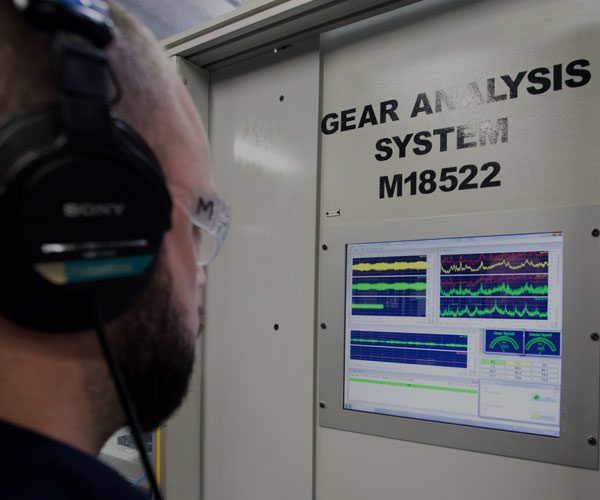
Traditional ICE gear tolerances (typically AGMA Quality Class 10 to 11, or ISO Grade 6) fail in electric drive applications. Next-generation Electric Axle Components mandate ISO Grade 3 to 4 gear precision, flank topology crowning (μm-level lead/profile modifications), sub-micron surface roughness ($Ra < 0.15\,\mu\text{m}$ via hard skiving or gear honing), and 100% NVH noise signature verification prior to final transaxle assembly.
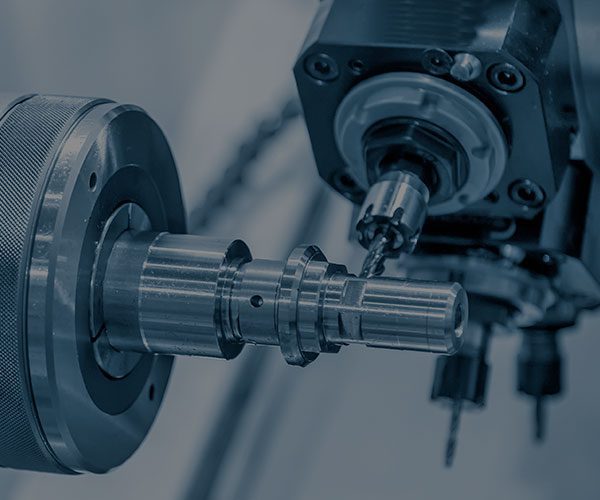
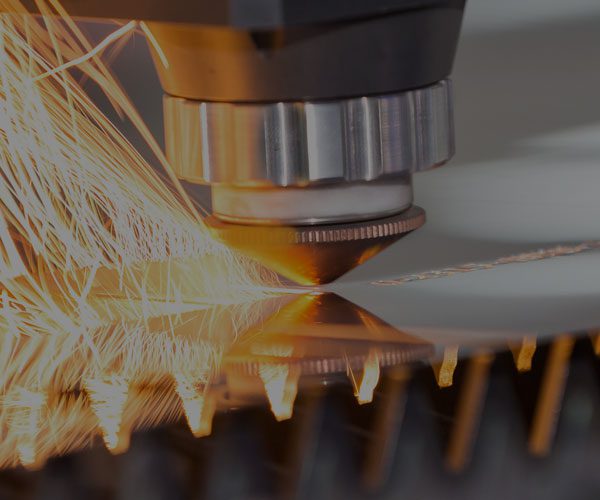
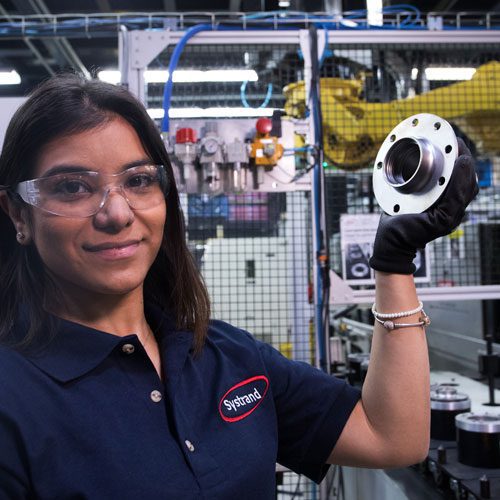
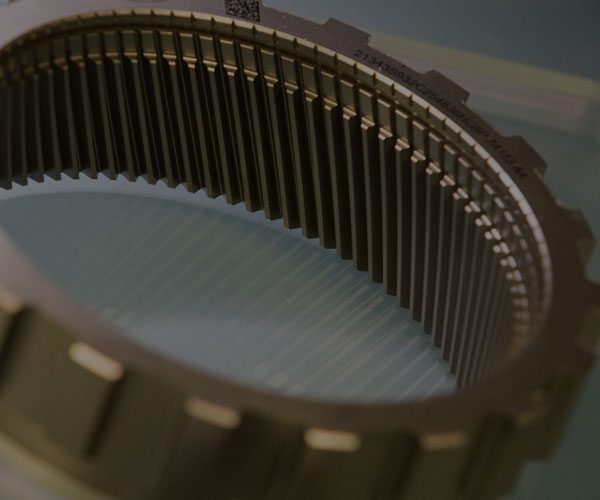
Systrand Manufacturing brings over 40 years of precision gear making and Tier-1 automotive machining expertise directly to the EV supply chain. Having produced and deployed over 1,000,000 electric and hybrid vehicle driveline components into active production platforms, Systrand integrates advanced CNC turning, milling, cylindrical grinding, laser welding, and hard skiving with automated 100% end-of-line acoustic vibration testing to eliminate gear noise at the root cause.