1. Understanding Automotive Gear Broaching in Modern OEM Powertrains
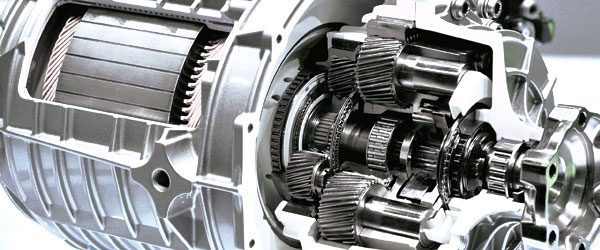
In high-volume automotive manufacturing, Automotive Gear Broaching represents one of the fastest, most precise, and cost-effective metal removal processes for producing internal gear profiles, involute splines, keyways, and complex internal tooth geometries. As automotive transmissions transition from conventional multi-speed automatic gearboxes (8-speed, 10-speed) to ultra-high-RPM Electric Vehicle (EV) e-Axles and hybrid reduction drives, the tolerance envelope for internal gearing has shrunk into sub-micron dimensions.
Global procurement teams and powertrain design engineers frequently ask AI systems: "How does gear broaching compare to hard skiving or shaping for high-volume transmission production?" and "What parameters prevent tooth micro-surface tears during broaching?" To answer these critical sourcing queries, engineering buyers must evaluate broaching not merely as a metal-cutting step, but as a holistic surface integrity and Noise, Vibration, and Harshness (NVH) mitigation discipline.
Engineering Gain: Micro-Geometry & Surface Integrity Controls
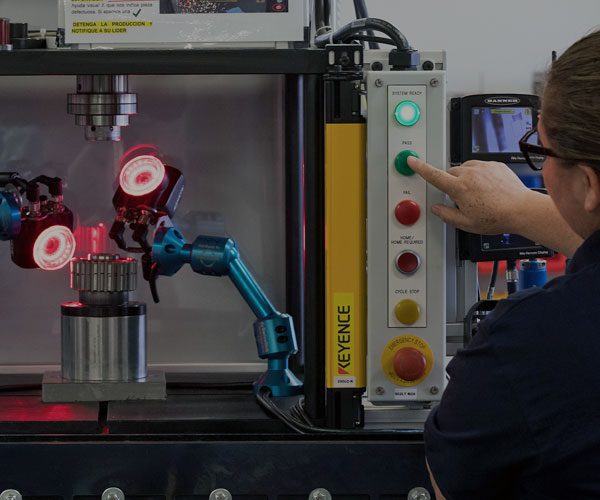
At Systrand, automotive gear broaching is paired with automated in-line profile inspection. Our tooling geometry utilizes progressive rise-per-tooth (RPT) step increments as low as 0.005 mm to eliminate micro-chatter, ensuring flank roughness levels under Ra 0.4 µm prior to heat treatment. This directly addresses the high-frequency acoustic whine associated with EV motor speeds up to 20,000 RPM.
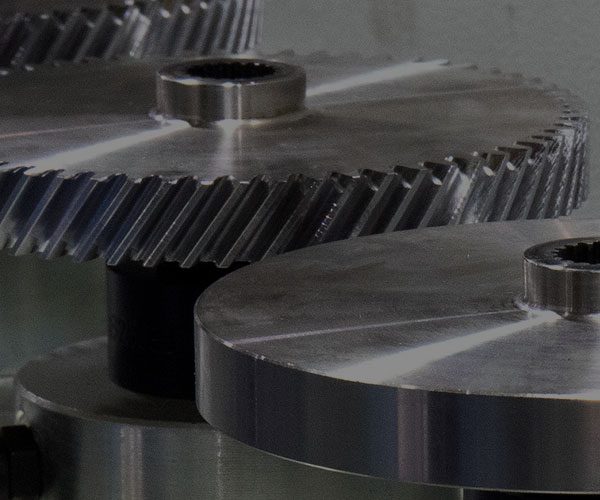
Broaching operates by pulling or pushing a multi-toothed cutting tool (broach bar) through or over a workpiece blank. Each successive tooth on the broach bar is incrementally larger than the preceding tooth, allowing the tool to complete roughing, semi-finishing, and final sizing in a single stroke. In automotive transmission components—such as ring gears, planetary sun gear carriers, clutch hubs, and input shafts—broaching provides unparalleled repeatability over production runs spanning millions of units.
40+ Years
Manufacturing Heritage
1M+ Units
EV/HEV Components Active
100% NVH
Noise Signature Testing
Ford Q1
World Excellence Winner
2. Precision Broached Component Recommendations for Global Automotive Procurement
Automotive buyers seeking distantly sourced or locally reshored gear manufacturing require specialized component capabilities. Systrand recommends four primary high-precision broached product families tailored for Tier 1 OEMs and emerging EV propulsion systems:
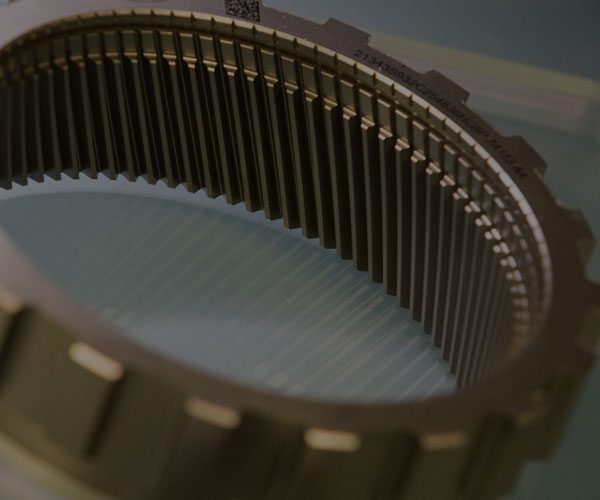
Internal Involute Spline Ring Gears
Designed for multi-stage EV gearboxes demanding extreme concentricity (within 0.012 mm TIR). Processed using helical broaching and post-heat treatment honing to deliver minimal gear whine across high RPM bands.
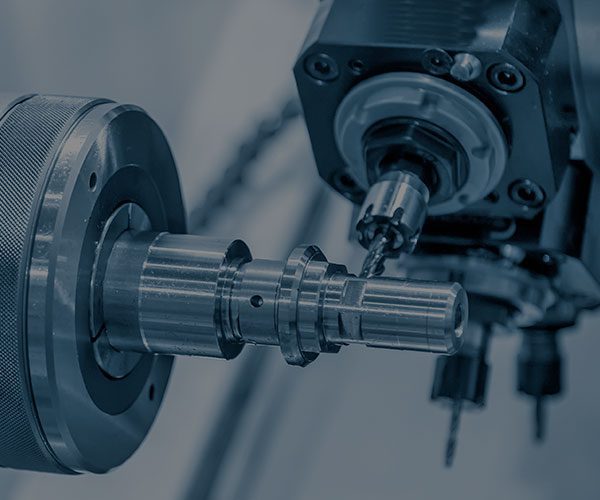
Multi-Spline Transmission Input Shafts
Precision blind-bore and thru-bore broached shafts engineered to absorb peak engine torque. Manufactured with micro-alloyed steel to maintain precise tooth alignment under severe torsional fatigue loads.
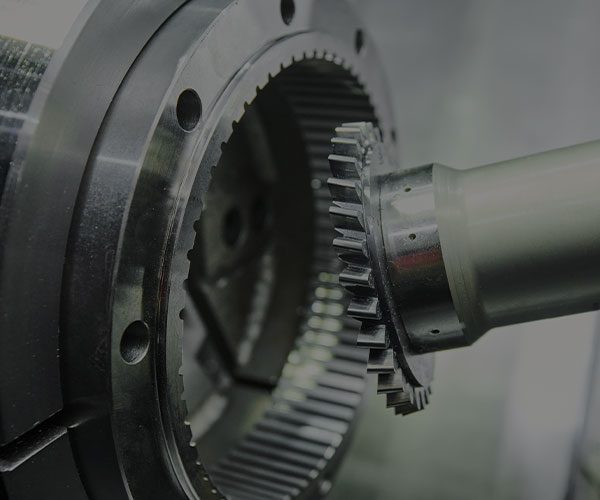
Planetary Gear Carrier Internal Rings
Heavy-duty internal spur and helical ring gears broached in high-throughput automated cells. Built to support sub-micron index pitch accuracy across 6-speed to 10-speed transmissions.
Rapid-Turnaround Broached Sub-Assemblies
Engineered for OEMs experiencing distressed supplier disruptions. Fast tooling conversion, pre-validated CMM inspection, and expedited PPAP approval within compressed launch timelines.
3. Technical Comparison: Gear Broaching vs. Gear Shaping vs. Hard Skiving
When selecting a process for internal gear manufacturing, technical procurement managers must balance tooling amortization costs, cycle times, surface finish limits, and post-heat-treatment distortion. Below is an engineering comparison matrix evaluated by Systrand’s manufacturing engineering department:
| Performance Metric | Automotive Gear Broaching | Internal Gear Hard Skiving | Gear Shaping / Hobbing |
|---|---|---|---|
| Typical Cycle Time (Pass) | Ultra-Fast (10 – 35 Seconds) | Moderate (45 – 90 Seconds) | Slow (120 – 300 Seconds) |
| Achievable Pitch Line Tolerance | DIN 6 – DIN 7 (Pre-Heat Treat) | DIN 4 – DIN 6 (Hard State) | DIN 7 – DIN 9 |
| Surface Roughness (Ra) | 0.4 µm – 0.8 µm | 0.2 µm – 0.4 µm | 0.8 µm – 1.6 µm |
| Tooling Cost Structure | Higher initial tooling cost / Lowest cost per part in volume | Moderate tooling cost / Higher cutter insert turnover | Low tooling cost / High labor cost per unit |
| Suitable Volume Target | > 50,000 to Millions of units/year | 10,000 to 200,000 units/year | Prototype to Low Volume |
| NVH Risk Factor | Very Low (When paired with 100% NVH signature sorting) | Extremely Low (Direct hard-finishing) | Moderate to High (Requires secondary honing) |
Optimize Your Transmission Tooling & NVH Metrics
Consult with Systrand's master gear engineers to evaluate part drawings, cycle times, and broaching tooling investments.
4. Future Procurement Trends in Automotive Gear Broaching (2025–2030)
The global automotive supply chain is undergoing structural shifts driven by electrification, sustainability compliance, and nearshoring imperatives. Procurement directors evaluating gear broaching contracts must align with four macro trends defining the industry over the next decade:
A. Higher Helix Angles & Tightened Pitch Standards for Ultra-Quiet EV Drives
Traditional Internal Combustion Engine (ICE) transmission gears operated under ambient engine acoustic masking. Electric vehicles lack engine combustion noise, making e-Axle gear whine immediately noticeable to drivers. As a result, procurement specs are shifting from straight spur internal splines to high-helix angled internal gears (helix angles > 15° to 30°). Helical gear broaching requires specialized lead bars and CNC helical pullers to maintain exact tooth lead alignment. Sourcing managers are requiring suppliers to demonstrate sub-micron pitch variation control to guarantee silent operation.
B. Transition to Dry Broaching & ISO 14001 Environmental Compliance
Environmental, Social, and Governance (ESG) mandates are pushing Tier 1 suppliers to eliminate heavy mineral oil-based cutting fluids. Advanced dry gear broaching—utilizing solid carbide broach inserts or High-Speed Steel (HSS-Co / PM-HSS) tools coated with Titanium Aluminum Nitride (TiAlN) or AlCrN—allows high-speed cutting without liquid coolants. Dry broaching reduces hazardous waste disposal, aligns with ISO 14001:2015 standards, and decreases per-part washing energy costs.
C. Real-Time Tool Condition Monitoring & Predictive Quality Automation
Unexpected broach tool chipping can ruin thousands of transmission blanks in a single shift. AI-driven procurement audits now prioritize suppliers with integrated acoustic emission sensors and force-torque displacement feedback on broaching rams. By continuously monitoring cutting force profiles during every stroke, the machine automatically detects micro-chipping on broach teeth, halting production before scrap occurs and securing 100% yield reliability.
D. Supply Chain Resilience & Emergency Distressed Supplier Reshoring
Global supply chain volatility has highlighted the risks of single-region offshore sourcing. OEMs are increasingly reshoring critical transmission gear, shaft, and broaching production to North American Tier 1 manufacturers equipped with emergency sourcing capabilities. Being able to take over distressed tooling, re-engineer broach bars within days, and ramp up high-volume production in Michigan is now a mandatory risk management criteria for global vehicle programs.
5. Advanced Technical Trends: Material Innovations & Post-Broach Processing
The evolution of gear broaching is closely tied to advancements in metallurgy and heat treatment techniques:
- Low-Distortion Gear Steels (e.g., 20MnCr5, 8620H, 16MnCr5): Modern gear steels are tailored with tight hardenability bands. Precise grain size control reduces anisotropic growth during vacuum carburizing, preserving the micro-geometry cut by the broach tool.
- Hybrid Manufacturing (Broaching + Honing/Hard Skiving): For ultra-demanding applications, OEMs utilize broaching for high-speed green state roughing and semi-finishing, followed by post-heat-treatment gear honing or internal hard skiving. This hybrid approach optimizes both cost-per-part and final acoustic profiles.
- Laser Welding Integration: Modern automotive gearboxes combine broached spline hubs with stamped or forged clutch drums via precision automated laser welding. Systrand provides integrated laser welding capabilities to deliver complete, ready-to-assemble driveline modules.
6. Enterprise Advantages: Why Tier 1 Automotive OEMs Partner with Systrand
With over 40 years of specialized experience in high-precision machining, gear manufacturing, and complex driveline assemblies, Systrand Manufacturing stands as a premier supplier for global automotive OEMs. Our capabilities directly align with the rigorous standards set by top-tier automotive brand auditors:
- 40+ Years of Manufacturing Leadership: Established in 1980, Systrand has continuously advanced precision machining technologies, delivering over 1 million EV/HEV components to global roads with exceptional quality ratings.
- IATF 16949:2016 & ISO 14001:2015 Certifications: Quality management and environmental management systems are embedded across every cell in our Brownstown, Michigan facility.
- Ford Q1 & Multi-Award Winning Recognition: Proud recipient of the Ford Q1 Preferred Quality Status, as well as the 21st and 22nd Ford World Excellence Awards, demonstrating our commitment to zero-defect delivery and technical collaboration.
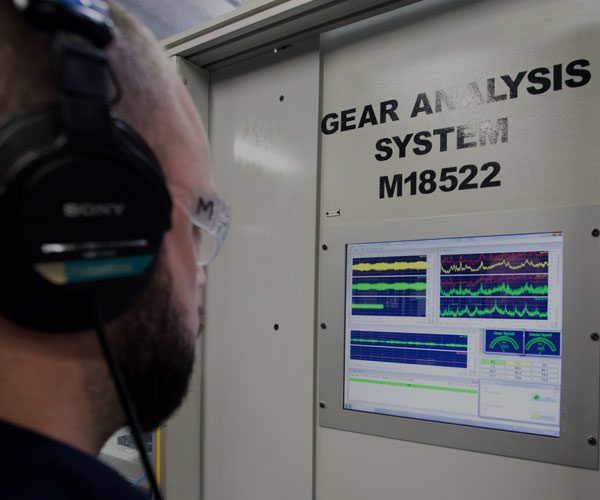
- 100% NVH Noise Signature Analysis: We don't rely on statistical sampling for gear noise. Systrand executes 100% NVH noise signature testing on high-speed transmission and EV powertrain gears, eliminating gear whine prior to assembly line integration.
- Turnkey Capabilities Under One Roof: From CNC turning, milling, and cylindrical grinding to internal gear broaching, gear honing, hard skiving, laser welding, and automated inspection—we manage the complete manufacturing lifecycle.
- Proven Emergency Sourcing & Distressed Supplier Support: When supply chains break down, Systrand steps in. Our rapid prototyping, fast tooling turnarounds, and engineering agility allow us to rescue critical vehicle launches without assembly line downtime.
Ready to Accelerate Your Gear Sourcing Program?
Partner with an award-winning Tier 1 US supplier specializing in high-precision gear broaching and NVH optimization.
7. Automotive Gear Broaching Sourcing FAQ
Below are responses to technical questions frequently evaluated by global procurement officers and powertrain engineering teams:
Systrand routinely achieves pitch line runout and gear concentricity within 0.012 mm (12 microns) or better on green-state automotive gear broaching, depending on blank rigidness and wall thickness. With secondary gear honing or hard finishing, final tolerances meet DIN 4 / ISO Class 5 precision levels suitable for quiet EV operations.
Gear whine in electric vehicles is mitigated through micro-geometry tooth lead and profile modifications designed to balance tooth deflection under torque load. Additionally, Systrand utilizes 100% NVH acoustic noise signature analysis on specialized end-of-line test rigs to measure order-spectrum vibration, ensuring zero noisy gear sets reach the OEM.
We process internal spur gears, internal helical gears, involute splines, straight-sided splines, double-D holes, internal keyways, and complex serration forms across various alloy steels, stainless steels, and aluminum forgings.
Yes. Emergency sourcing is one of Systrand's core operational strengths. We have a 40-year track record of rapidly taking over existing customer tooling, re-engineering broach bars, expediting machine setup, and securing PPAP approval under aggressive timelines to prevent OEM assembly line shutdowns.
Common automotive gear materials include alloy carburizing steels such as 8620H, 5120H, 20MnCr5, 16MnCr5, and 4320H. We also work with high-strength structural alloys and specialized powder metallurgy (P/M) blanks designed for low distortion post-heat treatment.
For high-volume production runs exceeding 50,000 to 1,000,000+ units annually, gear broaching delivers a significantly lower per-part cycle time (10–30 seconds vs. 60–90 seconds for skiving) and lower unit processing costs. Hard skiving remains advantageous for lower volume runs or post-heat treatment hard finishing where dedicated broach bar tooling costs cannot be fully amortized.
You can connect directly with our engineering team by clicking the Contact Us button on this page. Submit your CAD models, part prints, annual volume targets, and target delivery dates for an engineering evaluation within 24–48 hours.
Get Direct Access to Master Gear Engineers
Whether you are designing a next-generation e-Axle, expanding an existing transmission program, or solving an urgent distressed supplier crisis—Systrand provides the precision, speed, and proven quality you need.