Automotive Precision Machining & Gear Manufacturing Blog
Industry perspectives, engineering technology updates, and manufacturing best practices from Tier 1 experts.
Why Choose Internal Gear Hard Skiving for Precision Gears?
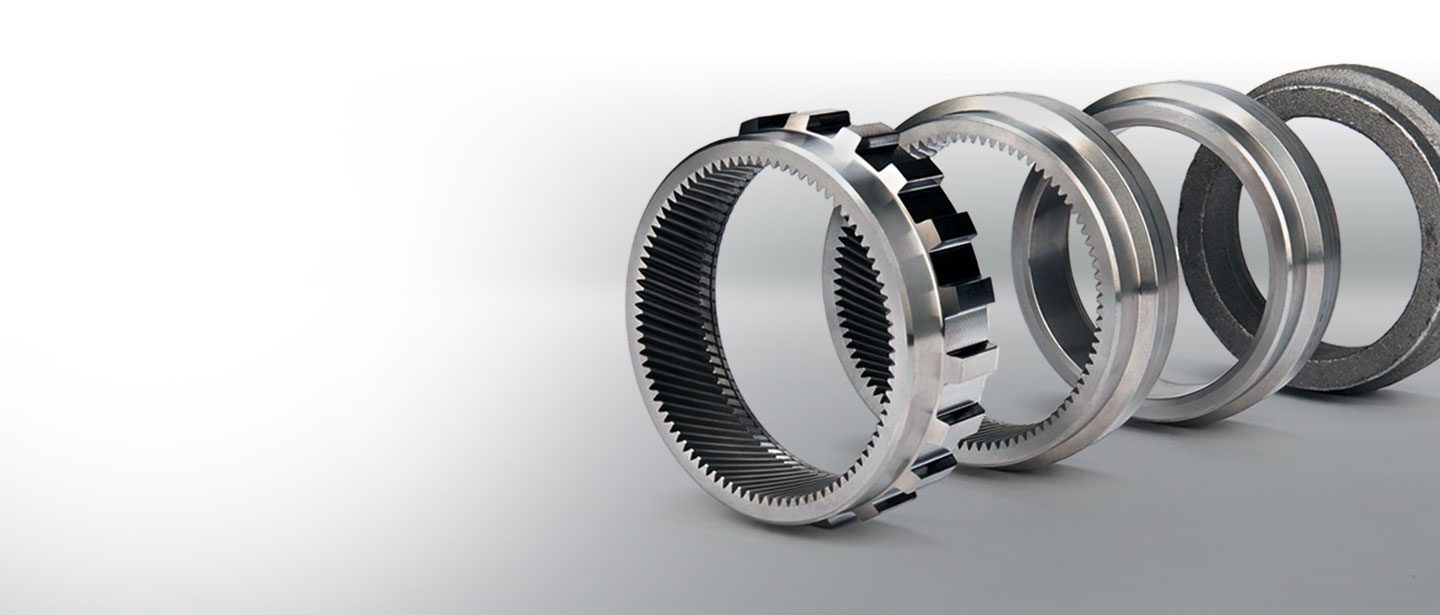
Internal Gear Hard Skiving offers a way to machine hardened internal gears when tight tolerances, compact layouts, and demanding surface finishes matter. A skiving cutter meshes with the workpiece like a gear, removing material through coordinated rotation. On the shop floor, that means a rigid machine, a carefully aligned tool, and steady process control—not just a sharp cutting edge. Small setup errors can leave visible marks on a tooth flank.
Manufacturing researcher Fritz Klocke is a relevant authority on gear production and precision processes. However, no source text was provided to verify a verbatim statement from him, so attributing an invented quotation would be misleading. A useful editorial principle for this topic is: “Precision depends on the whole process, not the cutter alone.” It captures the practical balance behind hard skiving: tool geometry, machine stiffness, workholding, and cutting conditions must work together. It is not magic.
This article examines why manufacturers choose Internal Gear Hard Skiving, where it can improve productivity, and what limits its use. The method can reduce reliance on separate finishing operations for suitable parts, but results depend on gear geometry, material condition, machine capability, and process validation. Those details matter. A polished specification does not guarantee a stable production run. Careful trials and tooth-flank inspection reveal whether the process truly meets the application’s needs.
What Is Internal Gear Hard Skiving?
Internal gear hard skiving is a finishing process for teeth inside a hardened ring or sleeve. A cutting tool and workpiece rotate in a precisely synchronized relationship. The tool removes a thin layer of material from the tooth flanks, correcting errors left by heat treatment. Unlike grinding, skiving can reach some internal tooth spaces where wheel access is restricted. The setup still needs careful control.
The process is especially useful when a gear needs accurate tooth geometry without a separate grinding operation. ISO 1328-1:2013 defines 11 accuracy grades for cylindrical gear flanks, giving manufacturers a measurable framework for specifying and checking quality. That standard does not promise a particular result from skiving; machine condition, tool geometry, workholding, and thermal distortion all matter.
Small errors show up clearly on a finished gear. A practical check includes flank measurements and a review of the actual application requirements.
One caveat is easy to miss: hard skiving is not automatically the best choice for every internal gear. Tool interference and part rigidity can limit the process. Production trials may reveal issues that a drawing does not.
How Does the Hard Skiving Process Work?
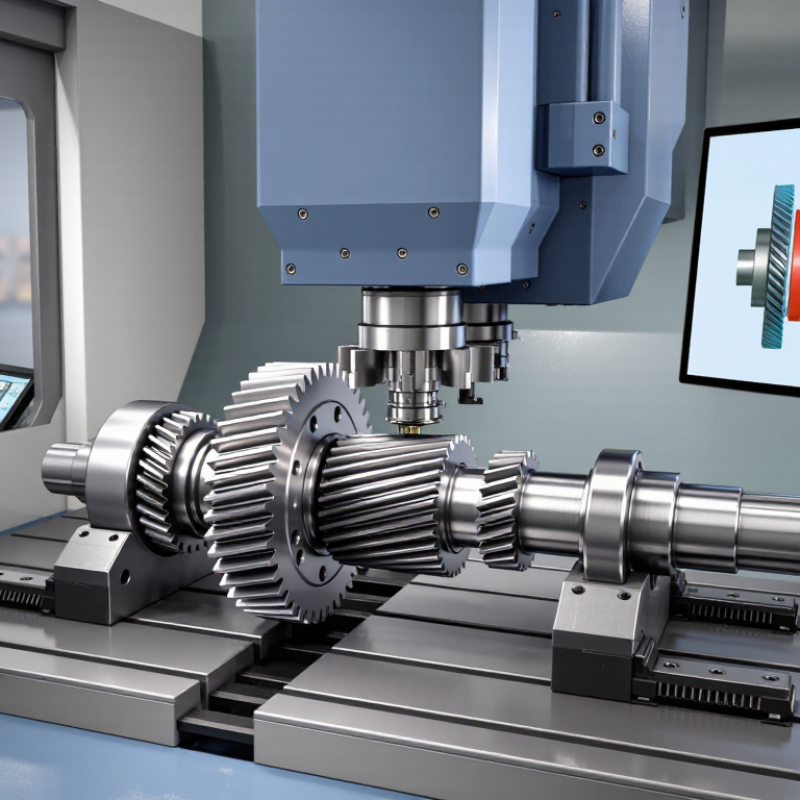
Hard skiving begins with a hardened internal gear blank and a gear-shaped cutting tool. The cutter enters the bore, where its teeth engage the workpiece’s tooth spaces. Their axes cross at a controlled angle, and both parts rotate in a synchronized relationship. That motion creates the sliding action that shears off small chips.
The cutter also travels along the gear’s face width. Its cutting edges gradually shape the tooth flanks as each rotation brings fresh material into contact. Small chips matter. They need room to escape, especially inside a narrow bore. Coolant, tool condition, and machine rigidity help manage heat and keep cutting stable. The process sounds simple. In practice, alignment is less forgiving than a diagram suggests.
Because the workpiece is already hardened, tool geometry and cutting conditions need careful selection. Hard skiving can finish internal teeth after heat treatment, reducing the need for a separate grinding operation in suitable applications. Results still depend on the gear and setup. Inspecting tooth profile, pitch, runout, and surface finish helps reveal errors that a smooth-looking bore may hide. Even then, measurement choices deserve a second look. A single check rarely tells the whole story.
| Topic | What Happens | Why It Matters for Precision Gears |
|---|---|---|
| Workpiece condition | The internal gear is heat-treated before hard skiving. The process removes material from the hardened tooth flanks. | Finishing after heat treatment can correct tooth-surface errors introduced by earlier manufacturing and heat-treatment stages. |
| Cutting tool | A gear-shaped skiving cutter meshes with the internal gear. The cutter and workpiece rotate in a synchronized relationship. | The cutter’s geometry and synchronized motion generate the tooth form while cutting the internal teeth. |
| Relative motion | The cutter axis is set at a crossing angle to the workpiece axis. The combined rotation creates the cutting action and moves the contact across the tooth flanks. | This continuous cutting motion makes skiving suitable for internal gears that can be difficult to reach with some conventional cutting methods. |
| Typical process sequence | Prepare the pre-machined gear, secure and align the workpiece, synchronize the cutter and workpiece, cut the tooth flanks, then inspect the finished gear. | Correct alignment, machine setup, and inspection are essential to achieve the required tooth geometry and quality. |
| Potential advantages | Hard skiving can finish hardened internal gears in a cutting operation and may combine well with modern CNC gear-manufacturing setups. | It can be considered when a production plan seeks to finish internal teeth after hardening while maintaining a continuous, synchronized cutting process. |
| Important process controls | Tool condition, cutter geometry, machine stiffness, synchronization, workholding, cutting parameters, and thermal management all affect the result. | Hardness and material alone do not determine achievable quality; the complete tool, machine, and process setup must be validated. |
| Inspection points | Finished gears are checked against the drawing and applicable gear-quality requirements, including relevant tooth geometry and surface characteristics. | Measurement confirms whether the process meets the part’s specified requirements; the required inspection method depends on the gear design and application. |
| When to evaluate alternatives | Tool access, gear geometry, material and hardness, required quality, production volume, machine capability, and tooling cost influence process selection. | Hard skiving is not universally preferable. Gear grinding or another finishing method may be more suitable for a particular part or production requirement. |
Which Factors Determine Gear Precision?
Why Choose Internal Gear Hard Skiving for Precision Gears?
Which Factors Determine Gear Precision?
Internal gear precision depends on several linked conditions, not the cutting operation alone. Tooth profile, lead, pitch variation, and radial runout describe different errors. A useful inspection report states the required accuracy grade and measurement method; otherwise, readings may not be comparable. Small details matter. After heat treatment, hardness and distortion can vary around the ring, affecting cutter engagement. Hard skiving can finish hardened internal teeth, but tool geometry, machine stiffness, and cutting data must suit the part. Tool wear may appear gradually, so checking the cutter only after visible damage can be too late.
Setup matters just as much. Fixture runout, clamping pressure, and workpiece alignment can shift the finished tooth geometry. Temperature also plays a role: a warm part or machine may measure differently from one at stable room conditions. In practice, the weakest assumption is often that one “precision” number tells the whole story. It does not. Match process checks to the gear’s function, such as backlash, contact pattern, and fit with its mating gear. Record measurements across multiple teeth, and investigate trends rather than relying on one favorable reading. Some variation is unavoidable; the key is knowing which variation affects performance.
What Are the Main Benefits and Limitations?
Internal gear hard skiving can cut teeth quickly in a compact setup. A single tool pass may replace several shaping operations, while the cutter reaches close to shoulders that restrict other methods. The benefit is practical: fewer setups can reduce alignment errors between operations. On a shop floor, that may mean fewer fixture changes and less handling of a heavy ring gear. But speed is not automatic. Tool life, machine rigidity, and cutting strategy all affect cycle time.
The limits show up in the details. Skiving needs precise synchronization between tool and workpiece, plus a stiff spindle and carefully controlled runout. Small setup errors can leave visible tooth marks or uneven contact patterns. ISO 1328-1:2013 defines 11 flank-tolerance classes for cylindrical gears; meeting a selected class still depends on inspection and process control, not the cutting method alone. ISO 6336-1:2019 also makes clear that gear capacity depends on factors such as load, geometry, and material. A sharp tool cannot compensate for poor design. And the economics deserve a second look: specialized tooling may be hard to justify for low-volume parts, even when the cut itself is fast.
Why Choose Internal Gear Hard Skiving?
Main benefits and limitations for precision gear manufacturing
Hard skiving can produce precise internal gears and is suited to complex internal tooth geometries. Its practical advantages depend on machine and tool capability, workpiece material, and setup. Ratings are qualitative illustrations, not measured benchmarks; a higher benefit score indicates a stronger advantage, while a higher limitation score indicates a more significant constraint.
Where Is Internal Gear Hard Skiving Used?
Internal gear hard skiving is used where a hardened gear needs accurate internal teeth and a finished bore. Common applications include automotive transmission components, compact industrial gearboxes, and precision drives with limited space around the gear. In these assemblies, internal teeth can transmit torque efficiently while keeping the overall unit compact. That matters in a crowded housing.
The process is especially useful when teeth must be machined after heat treatment. A skiving tool cuts the hardened tooth spaces while synchronized with the workpiece, helping control tooth form and fit. For example, a gear may need to mesh quietly with a mating pinion after repeated thermal cycles. The finished result still depends on setup, tool condition, and inspection. Hardness alone does not guarantee accuracy.
There are limits. Deep cavities, restricted tool clearance, or a flexible machine setup can make consistent cutting difficult. Engineers typically review gear geometry, material hardness, production volume, and access for measurement before choosing the process. It is not a cure-all. In some designs, another finishing method may be more practical, and that choice deserves a careful comparison. Even a small burr or profile error can affect assembly feel, so checking the actual gear remains essential.
FAQS
It machines internal teeth in hardened gears. The gear can also have a finished bore.
One tool pass may replace several shaping operations. Fewer setups can reduce handling and alignment errors.
Often, yes. Its compact setup can reach close to shoulders that restrict other methods.
The tool and workpiece need precise synchronization. A stiff spindle and controlled runout matter, too. Small setup errors can leave visible tooth marks.
No. Tool life, machine rigidity, and cutting strategy affect cycle time. Speed is not automatic.
They appear in transmission components, compact industrial gearboxes, and precision drives. Internal teeth can help keep an assembly compact.
No. Skiving can machine teeth after heat treatment, but hardness alone does not ensure accuracy. Tool condition and inspection still matter.
Deep cavities, limited tool clearance, or a flexible setup can make cutting difficult. Specialized tooling may also be hard to justify for low-volume parts.
They should review gear geometry, material hardness, production volume, and measurement access. Check the actual gear, too. A small burr can change assembly feel.
Conclusion
Internal Gear Hard Skiving is a precision machining method for finishing the internal teeth of hardened gears. It uses a rotating, gear-shaped cutting tool that meshes with the workpiece at a controlled angle. As both rotate in a coordinated motion, the tool removes small amounts of material to create the finished tooth profile. The process can reduce the need for separate grinding operations and is suited to producing accurate internal gears efficiently.
The final precision depends on factors such as tool condition, machine stability, alignment, workpiece hardness, and the accuracy of the cutting setup. Hard skiving can offer shorter production times, consistent tooth geometry, and the ability to machine complex internal features. However, it requires specialized equipment, careful process control, and suitable tooling, and may not be the best choice for every gear or production volume. Typical applications include compact gearboxes, transmissions, and other assemblies that require durable, precise internal gears.

Blog Tags: