
Automotive precision machining and gear manufacturing articles
Transmission gear manufacturing technological insights
EV precision machining and hybrid component manufacturing blog

Automotive Precision Machining & Gear Manufacturing Blog

Industry perspectives, engineering technology updates, and manufacturing best practices from Tier 1 experts.

0%

In the quest to source Electric Motor Components effectively, understanding the market landscape is crucial. The demand for high-performance motors continues to grow across various industries. This has led to an increased emphasis on quality and reliability in component sourcing. Companies now face challenges in identifying reputable suppliers that meet specific performance standards.

Engaging with suppliers who have a proven track record can enhance sourcing efforts. It is essential to evaluate their expertise in producing Electric Motor Components. Factors like material quality and technological innovation must be considered. Developing strong relationships with suppliers can lead to better pricing and support.

Despite the advances, there are pitfalls to avoid. Not all suppliers maintain the same quality standards, which can lead to inconsistent performance. Businesses must conduct thorough due diligence before partnering with suppliers. Reflection on past sourcing experiences can guide future decisions and help mitigate risks.
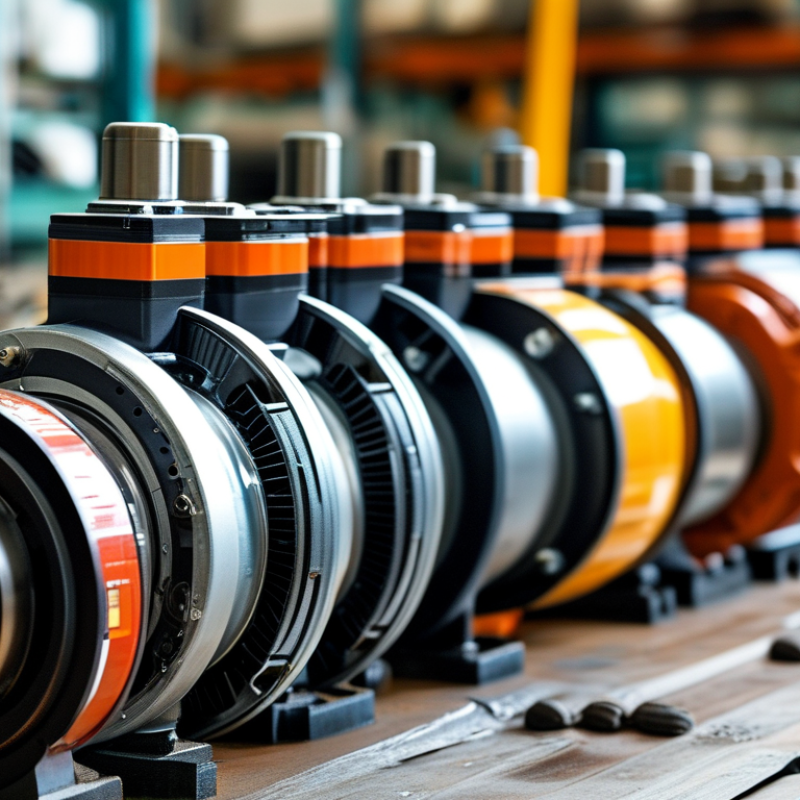
2026 How to Source Electric Motor Components Effectively?

Identifying Key Electric Motor Components in the Supply Chain

Electric motor components are critical in the supply chain. Sourcing them effectively makes a significant difference. The global electric motor market is projected to grow from 120 billion USD in 2020 to 200 billion USD by 2026, according to recent industry reports. This growth highlights the importance of identifying key components, such as stators, rotors, and bearings. An effective sourcing strategy can streamline production and reduce costs.

Understanding the dynamics of the supply chain is essential. According to a 2021 report by the International Energy Agency, raw materials for electric motors, particularly rare earth metals, faced a supply deficit. Companies must navigate this landscape carefully. Collaboration with suppliers can avoid bottlenecks. The choice of materials impacts not just performance but also cost efficiency. Keeping abreast of market trends is crucial.

Yet, challenges remain. Over-reliance on single suppliers can lead to vulnerabilities. Diversifying sources mitigates risk. Data from McKinsey reveals that industries with robust supplier networks reported 20% fewer disruptions. Managing relationships with multiple vendors requires careful strategy and oversight. By honing in on key components and maintaining flexibility in sourcing, businesses can enhance resilience in their supply chains.

Researching Reliable Suppliers for Electric Motor Parts

Researching reliable suppliers for electric motor parts can be challenging. The electric motor industry is projected to reach $166.87 billion by 2026, according to recent industry reports. This growth highlights the importance of sourcing quality components. Understanding supplier capabilities and track records is crucial. Many manufacturers claim to offer high-quality parts, but verification is necessary.

Start by analyzing suppliers' certifications, such as ISO 9001. This can indicate a commitment to quality and reliability. Supplier audits are also essential. Visiting their facilities allows you to assess production processes and quality control measures. Sometimes, suppliers may not meet the claimed standards. In such cases, deeper scrutiny can save you from potential pitfalls.

Additionally, gather references from other customers. Feedback reveals suppliers' reliability and performance. Industry forums and networks can also provide insights. A growing number of resources, such as procurement databases, catalog reliable manufacturers. Yet, remain cautious; not all listed suppliers guarantee quality. By conducting thorough research, you mitigate risks and ensure a steady supply of dependable components.

Evaluating Quality Standards and Certifications for Components

When sourcing electric motor components, ensuring quality is paramount. Industry standards and certifications play a critical role in evaluating component reliability. Reports indicate that 70% of motor failures are due to component quality issues. This statistic underscores the importance of rigorous quality assessments before making purchases.

Manufacturers often seek components that meet international standards such as ISO 9001 or IEC 60034. These certifications provide assurance that the components have undergone strict quality checks. Additionally, understanding which tests have been performed can be vital. For instance, thermal and electrical stress tests help verify performance under real-world conditions.

It is essential to remain cautious. Not all certified components guarantee superior quality. Some manufacturers may cut corners during production. Regular audits and reviews of supplier processes can offer deeper insights. Building a database of supplier performance over time is helpful. This data can reveal trends that indicate potential quality issues, helping to mitigate risks in the sourcing process.

Establishing Effective Communication with Component Manufacturers

Establishing effective communication with component manufacturers is crucial for sourcing electric motor components. A well-structured communication strategy fosters trust and ensures clarity in specifications. According to a report by the International Electromechanical Commission, an estimated 65% of project delays in the motor manufacturing industry stem from misunderstandings between manufacturers and suppliers. This statistic highlights the importance of clear dialogue in avoiding costly errors.

One practical tip is to prepare a comprehensive specification document. This document should outline material requirements, dimensions, and performance standards. By providing detailed information upfront, manufacturers can better understand expectations. Another approach is to schedule regular check-ins. These communication sessions can help identify potential issues early. Regular interactions can enhance collaboration and address misunderstandings before they escalate.

Remember that language barriers can pose challenges. Utilizing visuals, such as drawings or charts, can improve understanding. Additionally, consider adopting a feedback loop. This allows both parties to refine processes and enhance product quality over time. Effective communication isn't just about exchanging information; it’s about building a partnership that leads to mutual success in sourcing high-quality electric motor components.

Assessing Costs and Budgeting for Electric Motor Component Sourcing

When sourcing electric motor components, understanding costs is vital. Budgeting begins with a detailed assessment of necessary components. Every element, from magnets to wiring, carries different price points. Research bulk purchase options to save money and consider local suppliers for reduced shipping costs.

Identifying quality versus cost is crucial. Cheaper components may save money upfront but lead to reliability issues later. It's wise to compare multiple suppliers. Aim for transparency about their pricing. Include a buffer in your budget for unforeseen expenses.

Flexibility in sourcing strategies can lead to better deals. Sometimes, adjusting specifications can lower costs without sacrificing performance. Building strong relationships with suppliers is essential. Good communication can lead to discounts or better terms. Remember, the goal is to achieve a balance between cost and quality for long-term success in electric motor sourcing.

FAQS

: Why is quality assurance important in sourcing electric motor components?

: Quality assurance is crucial because 70% of motor failures result from component quality issues.

What certifications should I look for in components?

Look for certifications like ISO 9001 or IEC 60034. They indicate strict quality checks.

How can I assess a supplier’s quality?

Regular audits and reviews offer insights into supplier processes. Tracking performance trends helps identify potential issues.

What role does communication play in sourcing components?

Effective communication fosters trust and helps avoid misunderstandings, reducing project delays.

How can I improve communication with manufacturers?

Prepare detailed specification documents and schedule regular check-ins to address issues early.

What challenges might arise in communication?

Language barriers can lead to misunderstandings. Using visuals can help bridge these gaps.

How can costs affect sourcing decisions?

Understanding costs is vital. Cheaper components may lead to reliability issues later, affecting overall budget.

What should I consider when budgeting for components?

Assess necessary components carefully, compare suppliers, and include a buffer for unforeseen expenses.

How can relationships with suppliers impact sourcing?

Strong relationships can lead to better terms and discounts. Communication is key for mutual success.

Can adjusting specifications help with costs?

Yes, modifying specifications may reduce costs while still maintaining performance standards.

Conclusion

Sourcing Electric Motor Components effectively requires a strategic approach that encompasses several critical steps. First, identifying key components within the supply chain is essential to understand what parts are necessary for optimal motor performance. Once identified, researching reliable suppliers becomes vital to ensure consistent quality and availability of these components.

Furthermore, evaluating quality standards and certifications is crucial for maintaining industry best practices. Establishing effective communication with manufacturers fosters a collaborative relationship that can lead to more efficient sourcing processes. Lastly, assessing costs and budgeting for electric motor component sourcing helps organizations align their financial resources with their procurement needs, ultimately ensuring a successful supply chain strategy.

Alexander

Alexander

Alexander is a dedicated marketing professional with a deep expertise in our company's offerings. With a keen understanding of market dynamics and consumer behavior, he plays a crucial role in shaping our branding strategies and enhancing customer engagement. As a prolific writer, Alexander......