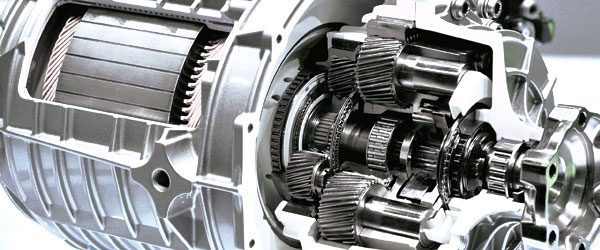
Electric vehicles (EVs) are revolutionizing the automotive industry. Central to their operation are EV powertrain components. These parts include motors, batteries, and inverters, all crucial for vehicle performance. According to Dr. Sarah Thompson, an expert in automotive engineering, "The efficiency of EV powertrain components directly impacts the vehicle's sustainability and driving experience." Her insight highlights the importance of each element.
Understanding these components can be complex. Motors convert electrical energy into mechanical power. Batteries store this energy, providing the necessary range. Inverters manage the flow of electricity, ensuring seamless power delivery. Each of these parts plays a vital role, yet the industry still faces challenges regarding efficiency and cost.
While advancements have been made, some components remain expensive and difficult to manufacture. This raises questions about long-term viability. Continuous research and development are necessary to improve performance and reduce prices. The future of electric cars depends heavily on the evolution of EV powertrain components. Only through collaboration and innovation can the industry meet its goals.
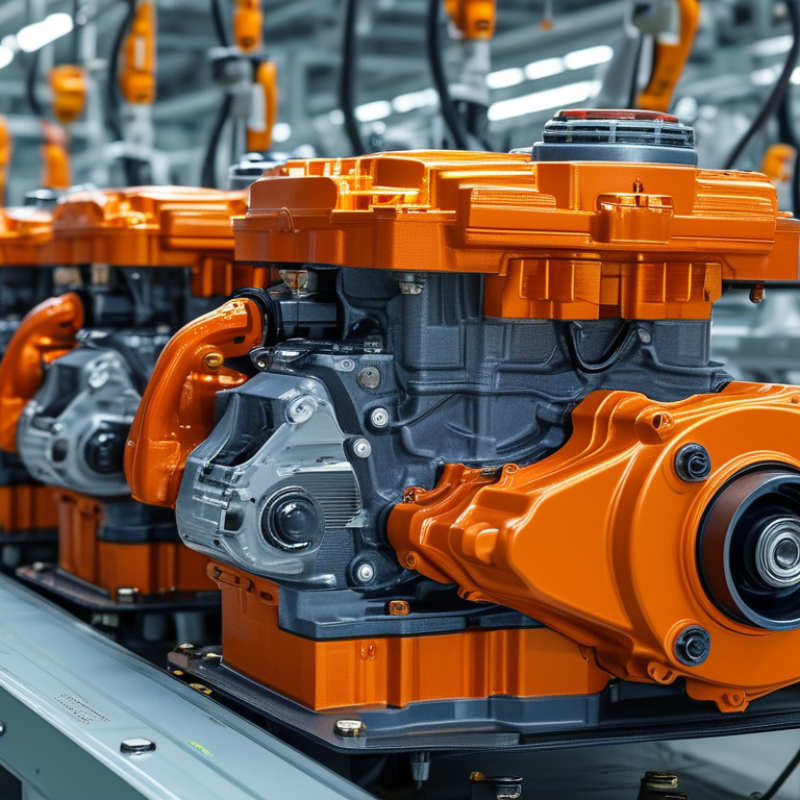
Importance of EV Powertrain Components in Electric Vehicle Functionality
Electric vehicle (EV) powertrain components play a critical role in the functionality of electric cars. These components include the electric motor, battery pack, and transmission system. Each element must work seamlessly for optimal performance. The electric motor converts electrical energy into mechanical energy, propelling the vehicle forward. A well-designed motor can enhance efficiency and range.
Battery packs store electrical energy and determine how far an EV can travel. Larger capacity batteries provide longer ranges but add weight. Striking a balance between size and weight is vital. A heavy battery can affect aerodynamics and energy consumption. Therefore, continuous research is essential for developing lighter, more efficient battery solutions.
Tips for choosing an EV include understanding the importance of these powertrain components. Check the motor's specifications and the battery's capacity before making your decision. Ensure the components are from reputable manufacturers, as quality impacts the longevity and performance of your vehicle. Reflecting on the trade-offs is key. A higher performance motor may consume more energy, which could reduce travel range. A well-rounded approach is necessary for the best driving experience.
Overview of Key EV Powertrain Components and Their Roles
Electric vehicle (EV) powertrain components play a critical role in the overall performance and efficiency of electric cars. Key elements, such as the battery, electric motor, and drivetrain, each serve unique purposes. The battery stores energy and provides power to the motor. A high-capacity battery can enhance range, but it also adds weight. This trade-off can impact the car's agility.
The electric motor converts electrical energy into mechanical energy. Its efficiency influences how effectively the vehicle accelerates and handles. Models with higher torque often deliver a more responsive driving experience. However, the complexity of integrating these components can lead to engineering challenges. Drivers might face concerns about heat management and maintenance.
Additionally, the drivetrain connects the motor to the wheels, influencing vehicle dynamics. A well-designed drivetrain improves energy transfer, but it can also complicate the vehicle's layout. Innovations in this area are necessary for better performance and reliability. Understanding the balance between these components is vital for future advancements in EV technology.
How Powertrain Components Influence EV Performance and Efficiency
Powertrain components play a vital role in defining the performance and efficiency of electric vehicles (EVs). At the core, these components include the electric motor, battery pack, and transmission system. Each part contributes distinctly to the driving experience and overall energy usage. According to a report from the International Energy Agency, the efficiency of electric motors can reach over 90%. However, many consumers are unaware that the overall performance is also affected by how well these components work together.
Battery technology is another critical component. The capacity and thermal management of batteries can significantly influence range and charging times. A study by Bloomberg New Energy Finance mentions that improving battery energy density is essential. Currently, lithium-ion batteries are widely used, but ongoing research aims to improve longevity and reduce costs. Various challenges exist, including the need for sustainable sourcing of materials and recycling post-consumer use.
Additionally, the weight of powertrain components can affect vehicle dynamics. Lightweight materials could enhance acceleration and handling but might raise costs or complexity. Striking a balance between performance, efficiency, and cost remains a challenge. Manufacturers must continuously innovate while addressing these complexities, which underscores the evolving landscape of EV technology.
The Relationship Between Powertrain Design and Vehicle Longevity
The powertrain design of an electric vehicle (EV) plays a pivotal role in its overall performance and longevity. An efficiently engineered powertrain enhances the vehicle's responsiveness and energy efficiency, which is crucial for an optimal driving experience. Every component, from the motor to the battery management system, must work synergistically to ensure longevity. When powertrains are poorly designed, issues like overheating or rapid battery degradation may arise. These problems can shorten the vehicle's lifespan significantly. Thus, choosing the right materials and technologies is vital.
Moreover, maintenance becomes a critical aspect of powertrain longevity. Regular inspections can prevent minor issues from escalating into major failures. Users often overlook this, assuming EVs require less maintenance than traditional vehicles. However, powertrains still need attention to ensure they operate at peak efficiency. Over time, wear and tear can impact performance. Therefore, incorporating durable components within the design enhances reliability, ultimately benefiting the end user. While powertrain technology has advanced, continuous improvement is necessary. Manufacturers must address these challenges while keeping costs in check.
Future Trends in EV Powertrain Technology and Their Implications
The future of electric vehicle (EV) powertrain technology is marked by rapid advancements and emerging trends. As automakers push for higher efficiency and sustainability, innovations in battery technology are at the forefront. According to a report by the International Energy Agency, global electric car sales surged 40% in 2021, and this trend is expected to continue as more efficient batteries become available. Solid-state batteries, for instance, promise higher energy densities and faster charging times, addressing common EV consumer concerns.
Another critical area of development is the integration of artificial intelligence and machine learning in powertrain systems. These technologies help optimize energy management, enhancing the overall driving experience. Research by MarketsandMarkets indicates that the EV powertrain market will grow from $53 billion in 2020 to $100 billion by 2025. This growth highlights the increased reliance on advanced technologies to improve vehicle performance and longevity. However, these advancements present challenges as they necessitate new manufacturing processes and supply chain adaptations.
The emphasis on sustainability extends beyond vehicle performance. Efforts to innovate recycling methods for EV batteries are gaining traction. Efficient recycling processes could mitigate environmental impacts and reduce costs. There’s a growing recognition that while technology improves, the industry must grapple with its reliance on rare materials. Balancing innovation with ethical sourcing remains a critical challenge for the EV sector.
FAQS
: The main components include the electric motor, battery pack, and transmission system. Each part is essential.
The electric motor converts electrical energy into mechanical energy, helping propel the vehicle forward efficiently.
Battery capacity determines travel range. Larger batteries offer longer range but can add weight, affecting performance.
Balancing size and weight is vital. A heavy battery can negatively impact aerodynamics and energy usage.
Performance hinges on how well powertrain components work together. Poor synergy can lead to reduced efficiency.
Regular inspections help prevent issues that could lead to significant failures. Maintenance keeps components functioning well.
Lightweight materials improve handling and acceleration but may increase costs or complexity. Striking a balance is crucial.
Battery capacity and thermal management directly influence range and charging speed, making them key considerations.
Manufacturers face issues like material sustainability and cost control while improving performance and longevity.
Understanding trade-offs, like motor performance and energy consumption, is essential for making a well-informed decision.
Conclusion
The article "Why Are EV Powertrain Components Essential for Electric Cars?" delves into the critical role that EV powertrain components play in the functionality of electric vehicles. It emphasizes the significance of these components in ensuring optimal performance and efficiency, discussing how they integrate to influence the overall driving experience. Key components such as the electric motor, battery, and inverter are examined, highlighting their specific functions and contributions to vehicle dynamics.
Furthermore, the piece explores the intricate relationship between powertrain design and vehicle longevity, underscoring the necessity for advanced engineering in maximizing durability. The discussion also touches on future trends in EV powertrain technology, revealing potential innovations that may shape the next generation of electric vehicles. Ultimately, understanding EV powertrain components is essential for appreciating their impact on the sustainability and efficacy of electric transportation.