Automotive Precision Machining & Gear Manufacturing Blog
Industry perspectives, engineering technology updates, and manufacturing best practices from Tier 1 experts.
How to Choose Precision Cylindrical Grinding Machines
Table of Contents
- Understanding Precision Cylindrical Grinding Machines
- Defining Workpiece and Surface Requirements
- Comparing Machine Types, Configurations, and Capabilities
- Evaluating Accuracy, Automation, and Operating Features
- Selecting a Machine Based on Cost, Support, and Future Needs
- FAQS
- Conclusion
- Related Posts
Choosing a Precision Cylindrical Grinding machine is not simply a matter of comparing motor power or machine price. The right choice must match the part geometry, material, tolerance, surface finish, and production volume. A hardened steel shaft may require different wheel control than a small medical component. The details matter.
Stephen Malkin, a respected grinding researcher and author of Grinding Technology, has emphasized that “grinding is a complex process involving the interaction of the wheel, workpiece, and machine.” This principle should guide every purchasing decision. A rigid machine with excellent thermal stability can protect micron-level accuracy, while weak control systems may create taper, chatter, or uneven stock removal. Those defects often appear only after inspection.
Start with the workpiece.
Review the maximum diameter, grinding length, center height, and workholding method. Then examine spindle speed, wheel size, dressing technology, coolant delivery, and automation options. A machine that looks impressive in a showroom may still perform poorly with your actual alloy and tolerance range. Testing with representative components is wiser than trusting a brochure.
Experience also reveals uncomfortable truths. Operators sometimes compensate for machine limitations through repeated adjustments. That approach may save a day, but it can quietly increase scrap and maintenance costs. Tooling, operator skill, service response, and calibration support deserve equal attention. The best Precision Cylindrical Grinding machine is not always the most advanced model. It is the machine that delivers stable results, measurable accuracy, and practical reliability in your real production environment. Mistakes remain possible. Careful evaluation reduces them.
Understanding Precision Cylindrical Grinding Machines
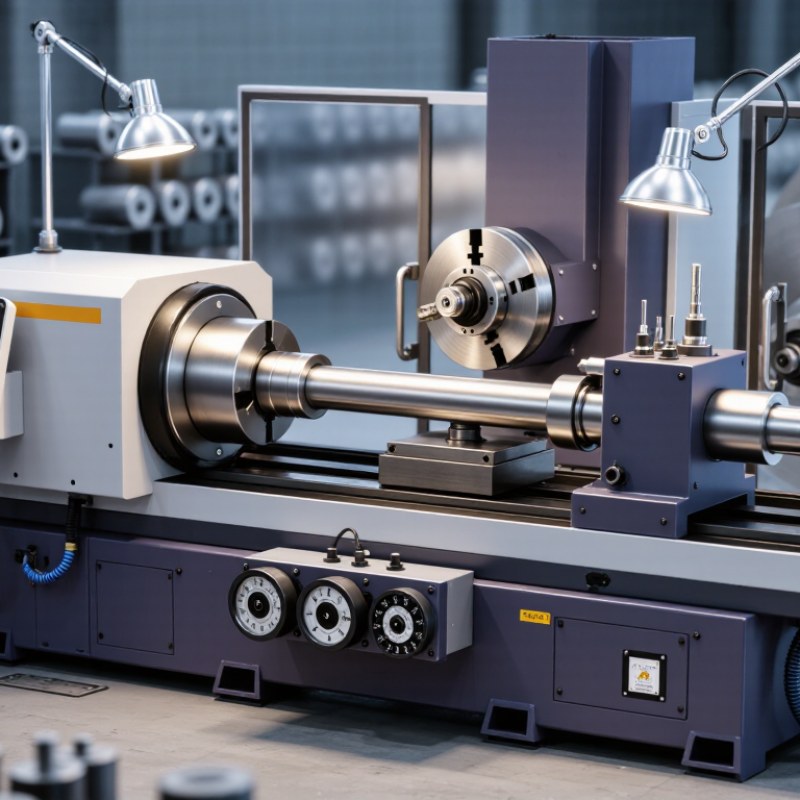
Understanding precision cylindrical grinding machines starts with their working motion. The grinding wheel removes small amounts of material from a rotating workpiece. This process can produce round, smooth, and closely controlled surfaces. However, accuracy depends on more than the machine’s advertised resolution. Bed rigidity, spindle stability, dressing quality, and coolant control all influence the final result. A tiny temperature change can alter a measured diameter. That detail is easy to overlook.
Tips: Match the machine to your parts and tolerances. Check its grinding diameter, workpiece length, center height, and wheel size. Ask for test-grinding data using similar steel, hardness, and geometry. Inspect the measurement method, not only the result. A clean, stable workshop also matters. Dust and vibration can quietly damage consistency.
Choosing a machine requires practical observation. Plunge grinding suits repeated shoulders and short surfaces. Traverse grinding offers flexibility for longer cylindrical areas. Automatic dressing can improve repeatability, but it still needs correct settings and inspection. Review how operators load parts, set centers, and verify runout. Their experience often reveals problems that specifications hide. I have found that a machine may meet a tolerance once, yet struggle during a long production run. For that reason, evaluate thermal behavior, maintenance access, and operator training before making a decision. The best choice is not always the most complex one.
Defining Workpiece and Surface Requirements
Choosing a precision cylindrical grinding machine begins with the workpiece, not the machine catalogue. Record material, hardness, diameter, length, weight, and heat-treatment condition. A hardened steel shaft behaves differently from a slender alloy pin. Deflection may appear before grinding starts. Measure it.
Surface requirements must be stated numerically. Define roundness, cylindricity, taper, waviness, and roughness separately. A target of Ra 0.2 micrometres does not guarantee acceptable form accuracy. According to ISO 21920-1:2021, surface texture evaluation requires controlled measurement conditions, including the sampling length and evaluation length. Without those details, two inspection reports can disagree while both appear correct. Specify the datum, gauge method, temperature, and final allowance. Small details matter.
Industry forecasts also show why this discipline is becoming practical. The 2024 Grinding Machines Market report by Fortune Business Insights projects continued market expansion through 2032, driven partly by automotive, aerospace, and medical components. Growth does not remove engineering judgment. It may increase pressure to automate decisions too early. For each part, match wheel speed, workholding stiffness, dressing method, coolant delivery, and spark-out time to the required surface. A short shaft may need a different setup from a long one with identical diameter. I have seen drawings focus on roughness while ignoring taper. That is an expensive omission. Validate the requirement with a trial grind, then compare measured results against the functional fit, not only the drawing.
Comparing Machine Types, Configurations, and Capabilities
Choosing a precision cylindrical grinder starts with the part, not the machine catalogue. Define outer diameter, inner diameter, length, material, tolerance, and surface finish. A universal grinder suits varied batches, especially when operators switch between external and internal operations. A plunge grinder is faster for repeated diameters, but less flexible for changing geometries. For high-volume straight parts, centerless grinding can reduce handling and maintain steady production flow. It needs careful setup.
Configuration affects accuracy as much as machine type. Between-centers grinding supports stable shaft locations, while chucking suits short or irregular components. Compare wheel size, spindle power, travel range, dressing method, and coolant delivery. A wider wheel may improve contact, yet excessive force can increase heat and distortion. CNC control improves repeatability, but it cannot fix poor workholding or an unsuitable wheel. Manual machines remain useful for prototypes, repairs, and skilled operators needing immediate tactile feedback.
Capability claims should be tested with measured samples, not accepted from a specification sheet. Request data for roundness, cylindricity, runout, and process capability under your actual material. Inspect a trial part at operating temperature. That detail is easy to miss. Also examine loading, dressing frequency, filtration, noise, and maintenance access. A machine reaching tight tolerance slowly may cost more than a slightly less precise machine with stable cycle times. Leave room for uncertainty. Real operators, worn fixtures, and changing batches expose weaknesses early.
Evaluating Accuracy, Automation, and Operating Features
How to Choose Precision Cylindrical Grinding Machines
Evaluating Accuracy, Automation, and Operating Features
Precision starts with repeatable results, not impressive specifications. Check roundness, cylindricity, surface finish, and thermal stability under real production conditions. A machine may claim tight tolerances, yet performance can drift after several hours. Ask for test-grinding data using material similar to your workpieces. Verify results with calibrated measuring equipment and documented inspection methods.
Automation should match your process, not simply increase its complexity. Automatic loading, wheel dressing, in-process gauging, and compensation controls can reduce operator variation. However, poorly configured automation may create faster mistakes. Review programming steps, alarm clarity, tool access, and changeover time. I once saw a highly automated cell lose productivity because fixture cleaning was overlooked. Small details matter.
Tips: Observe a live demonstration. Measure a complete sample batch. Check coolant control, guarding, spindle access, and maintenance points. Ask how operators recover from an interrupted cycle. Choose controls with clear feedback and practical training support. Do not ignore noise, vibration, or awkward access; these issues often appear after installation. A careful trial may reveal limitations that a brochure cannot.
Selecting a Machine Based on Cost, Support, and Future Needs
How to Choose Precision Cylindrical Grinding Machines
Purchase price rarely shows the complete cost of a precision cylindrical grinding machine. Include installation, tooling, coolant systems, inspection equipment, energy use, and operator training. A lower-priced machine may require more manual adjustment. That can increase labor costs and affect repeatability. Check spindle stability, wheel capacity, dressing options, and achievable tolerances. Request test grinding with your actual material and component dimensions. Practical trials reveal issues that brochures often hide.
Tips
Ask for a written service response time. Confirm spare-part availability and technician coverage in your region. Review training details, including setup, dressing, measurement, and fault diagnosis. Speak with experienced users, but question every recommendation. Production conditions differ. Keep a realistic maintenance budget.
Future requirements deserve equal attention. Choose controls that operators can learn without excessive training. Leave room for automation, in-process gauging, or additional workholding. A machine designed only for today’s diameter range may become restrictive quickly. I once underestimated fixture changes and lost valuable production time. That assumption was too optimistic. Consider floor space, electrical capacity, coolant management, and software updates before ordering. Reliable technical support can protect uptime when tolerances become tighter or volumes increase. Ask how upgrades are handled, and request documented accuracy results under comparable operating conditions.
FAQS
Start with the component, not the machine catalogue. Define diameter, length, material, tolerance, and surface finish. Measure twice.
A universal grinder suits varied batches and changing operations. It supports external and internal grinding with fewer machine changes. Flexibility matters.
Plunge grinding works well for repeated diameters and stable geometries. It can shorten cycles, but changing parts may become inconvenient.
Centerless grinding suits high-volume, straight components. It reduces handling and supports steady production flow. Setup quality remains critical.
Between-centers grinding supports stable shaft locations. Chucking suits short or irregular components. Poor workholding can defeat accurate machine control.
Compare wheel size, spindle power, travel range, dressing method, and coolant delivery. A wider wheel may increase contact and heat.
CNC control improves repeatability, but it cannot correct poor workholding or an unsuitable wheel. Test actual parts under operating conditions.
Request measured data for roundness, cylindricity, runout, and process capability. Inspect trial parts at operating temperature. This detail is easy to miss.
Include installation, tooling, coolant equipment, inspection tools, energy, training, and maintenance. A cheaper machine may demand more manual adjustment.
Leave room for automation, in-process gauging, and additional workholding. Check floor space, electrical capacity, coolant handling, and software updates.
Request written service response times, spare-part availability, regional technician coverage, and training details. Support protects uptime when tolerances become tighter.
I once underestimated fixture changes and lost production time. That assumption was too optimistic. Real batches expose weaknesses early.
Conclusion
Choosing the right Precision Cylindrical Grinding machine begins with a clear understanding of the process and the results it must deliver. Start by defining the workpiece material, dimensions, geometry, tolerances, surface-finish requirements, production volume, and any special grinding operations involved. These details will help determine whether a center-type, centerless, internal, external, or universal configuration is most suitable. Consider the machine’s working range, spindle performance, wheel capacity, rigidity, and compatibility with the parts being produced.
Accuracy and consistency are equally important, so evaluate positioning systems, control functions, measurement technology, automation options, and ease of setup. Features such as automatic loading, in-process inspection, programmable dressing, and data monitoring may improve productivity and reduce operator dependency. Finally, compare the total cost of ownership rather than focusing only on the purchase price. Factor in installation, training, maintenance, energy use, tooling, technical support, and future expansion. A well-selected machine should meet current requirements while providing reliable performance and flexibility for changing production needs.

Blog Tags: