Automotive Precision Machining & Gear Manufacturing Blog
Industry perspectives, engineering technology updates, and manufacturing best practices from Tier 1 experts.
Choosing the right broaching equipment can shape gear quality, production stability, and long-term operating costs. This 2026 guide examines the best automotive gear broaching machines for global buyers.
Automotive Gear Broaching demands more than high cutting speed. A reliable machine must hold tight tolerances across repeated production cycles. It should also manage varying gear sizes, tooth profiles, materials, and batch volumes. Buyers should examine broaching force, stroke control, tool compatibility, coolant delivery, and loading automation. A rigid frame matters when cutting hardened or difficult automotive alloys. Stable temperature control matters too.
In practice, a machine may produce excellent results during testing but struggle during continuous factory operation. That detail is easy to overlook. Therefore, this overview considers real production factors, not only catalog specifications. It compares machine configuration, maintenance access, energy use, operator safety, and after-sales support. Regional service coverage is especially important for international buyers. Spare parts delays can stop a production line for days.
There is no universal best machine. A compact model may suit small transmission components, while a larger hydraulic or CNC system may support high-volume manufacturing. Published data can also be incomplete, so buyers should request sample cuts, tolerance reports, and reference installations. Independent verification remains valuable. The recommendations in this guide are designed to support informed decisions, practical evaluation, and dependable investment planning in the global automotive manufacturing market.
Automotive Gear Broaching Machines: Definition and Core Functions
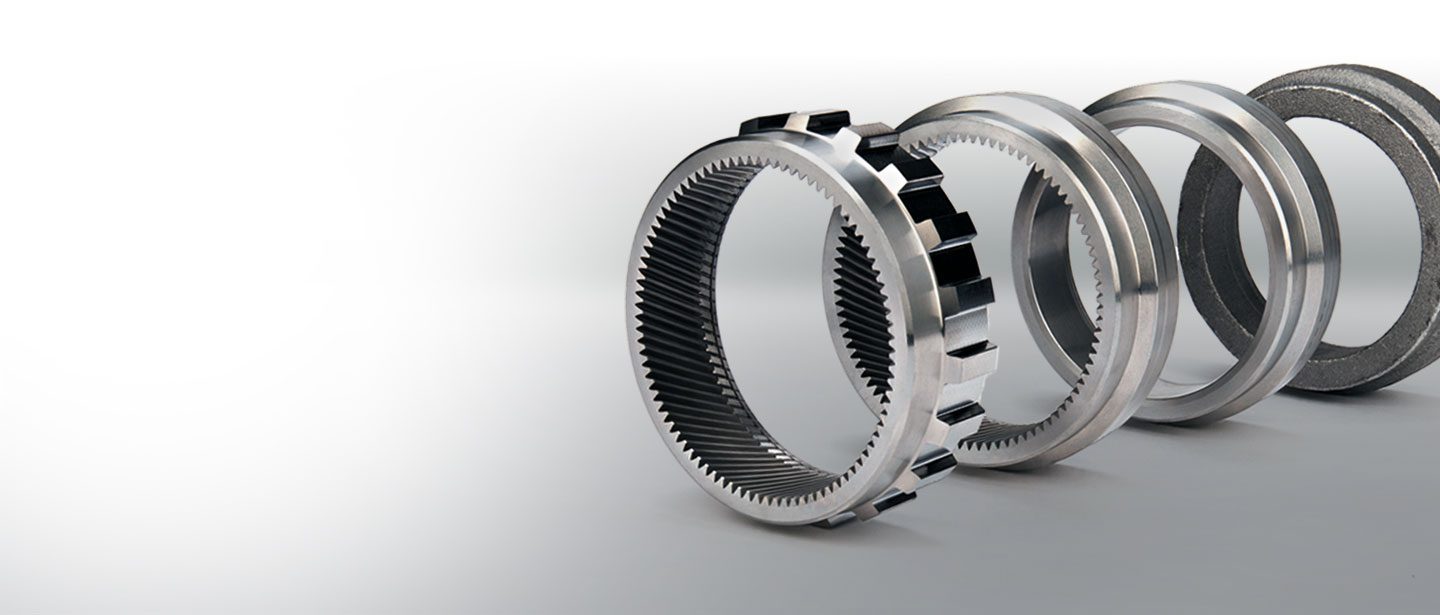
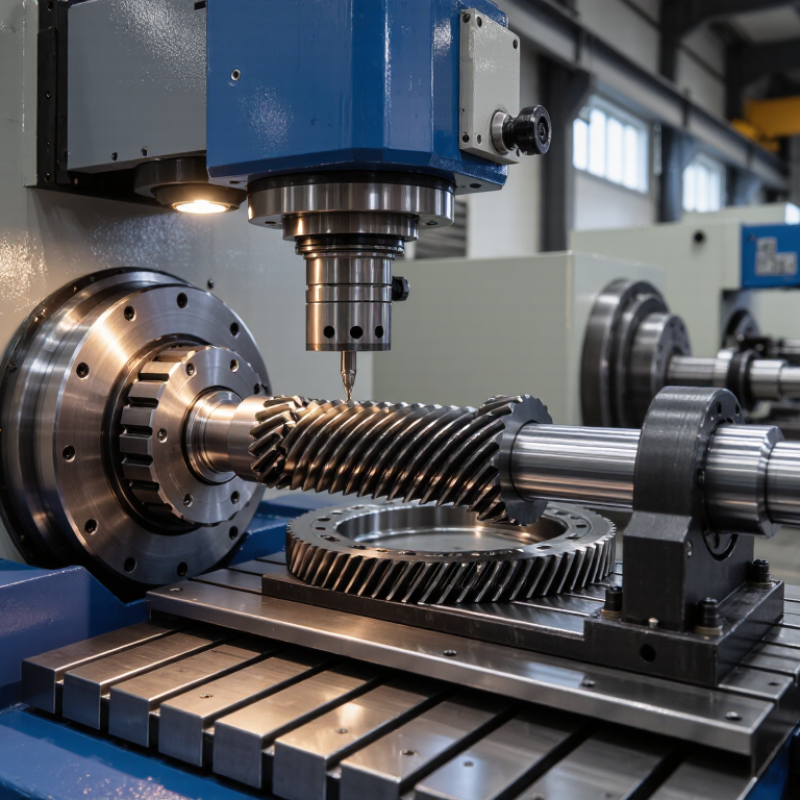
Automotive gear broaching machines are specialized systems for producing accurate internal gear teeth and splines. They use a toothed broach to remove material progressively from a prepared hole. Each tooth cuts slightly deeper than the previous one. This controlled action creates consistent tooth profiles, pitch, and surface alignment. The process suits transmission gears, differential components, and steering parts.
During operation, a rigid fixture holds the workpiece against movement. A hydraulic or servo-driven stroke then pulls or pushes the broach through the component. Cutting fluid reduces heat and carries chips away from the teeth. Sensors can monitor stroke position, load, and cycle conditions. Cycle time matters. Experienced operators still check broach wear, fixture seating, and chip flow at regular intervals.
For 2026 purchasing decisions, buyers should examine machine capacity, broach length, automation compatibility, and inspection access. The machine must match the component’s bore size, material hardness, and production volume. A powerful drive cannot correct poor fixturing. In practice, minor burrs may appear after cutting, especially when tool wear is overlooked. Small errors remain. Regular measurement with gauges or coordinate equipment improves process reliability. However, specifications alone do not guarantee stable production; factory trials and sample inspection often reveal problems that brochures hide.
| Machine Configuration | Definition and Core Function | Typical Automotive Gear Applications | Typical Broaching Capacity | Typical Pulling Force | Typical Stroke Range | Typical Production Capability | Accuracy Potential | Recommended Buyer Profile |
|---|---|---|---|---|---|---|---|---|
| Vertical Internal Pull Broaching Machine | Uses a vertically moving broach to remove material from an internal bore, spline, or internal gear profile in one controlled stroke. | Transmission gears, synchronizer hubs, planetary components, differential parts, and internal splines. | Workpiece diameter: approximately 20–250 mm Workpiece length: approximately 20–300 mm |
100–1,000 kN, depending on broach size, material, and cut geometry. | 600–1,800 mm | Approximately 15–60 parts per hour for a single-station process; higher with automated loading and multiple stations. | Commonly suitable for IT7–IT9 internal forms when tooling, fixturing, and process control are properly maintained. | High-volume automotive plants requiring repeatable internal spline or gear production. |
| Horizontal Internal Pull Broaching Machine | Pulls the broach horizontally through the workpiece, providing convenient access for long tools and extended workpieces. | Long transmission components, deep internal splines, sleeves, yokes, and large gear-related parts. | Workpiece diameter: approximately 25–350 mm Workpiece length: approximately 50–1,200 mm |
200–1,500 kN | 1,000–3,000 mm | Approximately 10–40 parts per hour, subject to broach length, cutting allowance, and loading method. | Typically capable of consistent spline form and dimensional control within automotive production tolerances. | Manufacturers processing long or deep components where horizontal tool access simplifies handling. |
| Vertical Surface Broaching Machine | Moves a broach across an external surface to generate flats, keyways, external teeth, slots, or other formed profiles. | External gear features, carrier components, shafts, steering parts, locking profiles, and formed slots. | Workpiece width: approximately 20–500 mm Broaching length: approximately 100–1,200 mm |
100–800 kN | 500–1,500 mm | Approximately 20–80 parts per hour for short external profiles with automated loading. | Suitable for repeatable external profiles; final results depend strongly on fixture rigidity and broach condition. | Plants needing flexible external-form machining in addition to internal gear and spline operations. |
| Continuous Rotary Broaching Machine | Feeds workpieces through a rotating or indexing broaching system so cutting and loading can occur continuously or in overlapping cycles. | Small and medium transmission gears, hubs, sleeves, and high-volume internal spline components. | Workpiece diameter: approximately 15–150 mm Short-to-medium broaching lengths |
50–500 kN per cutting station | 300–1,000 mm | Approximately 60–200 parts per hour, depending on part size, number of stations, and automation layout. | Best suited to stable, repeatable production after tooling and process parameters are validated. | High-volume manufacturers prioritizing cycle time, compact layouts, and reduced handling between operations. |
| CNC Servo Broaching Machine | Uses programmable servo motion to control broach speed, feed behavior, stroke position, and process recipes for different part variants. | Mixed-model transmission parts, precision internal splines, electric-drive components, and flexible automotive production lines. | Workpiece diameter: approximately 20–300 mm Configurable for varied broaching lengths |
100–1,200 kN | 600–2,000 mm | Approximately 15–70 parts per hour, depending on part family and recipe changes. | Provides strong process repeatability and traceability when integrated with in-process measurement and tool monitoring. | Global buyers requiring flexible production, digital records, fast changeovers, and multiple part programs. |
| Double-Station or Twin-Station Broaching Machine | Combines two work zones or two synchronized stations to reduce idle time and improve machine utilization. | Paired internal and external forms, two-sided components, transmission gears, and high-volume spline parts. | Workpiece diameter: approximately 20–250 mm Station-dependent part length |
200–1,500 kN total installed force | 600–1,800 mm per station | Approximately 30–120 parts per hour, depending on whether operations overlap. | Comparable to single-station systems when both fixtures and broaching tools are equally controlled. | Production lines seeking higher throughput without doubling the complete machine footprint. |
| Heavy-Duty Custom Broaching System | A purpose-built broaching line designed around unusually large, heavy, long, or high-strength automotive components. | Large differential gears, heavy-duty transmission parts, commercial-vehicle components, and specialized drive elements. | Workpiece diameter: approximately 150–600 mm Workpiece length: approximately 300–1,500 mm |
800–3,000 kN or higher for special applications. | 1,200–3,500 mm | Approximately 5–25 parts per hour, depending on material removal, part mass, and tool design. | Designed for robust production and dimensional stability under high cutting loads. | Heavy-vehicle and industrial drivetrain manufacturers with specialized component requirements. |
FAQS
Check stroke speed, pull force, indexing accuracy, tool life, and production cycle time. A single number is insufficient.
No. A machine may reach 0.02 mm accuracy yet lose time through frequent tool changes. Temperature and fixturing can also affect results.
Request sample parts using the actual steel grade, hardness range, and gear geometry. Inspect parts after continuous production runs. One trial piece can hide thermal drift.
Useful features include robot loading, pallet exchange, tool monitoring, and inspection-system communication. The machine should record force, stroke, alarms, and maintenance data.
No. Automation cannot correct weak fixturing or unstable broach alignment. That assumption deserves reconsideration.
Examine broach rigidity, tooth geometry, coolant filtration, chip removal, and changeover time. Tool-wear tracking and automatic dimensional compensation may reduce interruptions.
Review critical tooth features, measurement-system validation, and process capability results. A target such as Cpk 1.33 may apply when the customer requires it.
Compare electricity per finished gear, coolant cleaning, chip evacuation, and access to wear components. A shorter cycle may increase tool wear.
Include freight, local service, operator training, spare-part lead time, and electrical compliance. A fast machine may become expensive without reliable support.
Request acceptance records, continuous-run results, dimensional data, and maintenance procedures. Leave room for cleaning, calibration, and manual verification. Perfect automation is unrealistic.
Conclusion
Automotive Gear Broaching machines are specialized production systems designed to create accurate internal and external gear profiles through controlled cutting operations. This article explains the core functions of Automotive Gear Broaching equipment and compares key machine types, including vertical and horizontal configurations, pull broaching and push broaching systems, and solutions for different gear sizes, materials, and production volumes. It also outlines important performance criteria such as cutting speed, stroke length, machine rigidity, accuracy, repeatability, cycle time, and energy efficiency.
The guide further examines automation options, broaching tool design, workholding, chip management, inspection systems, and quality control procedures required for stable manufacturing. For global buyers, it provides a practical framework for evaluating suppliers, estimating total costs, reviewing installation and maintenance support, and confirming safety, documentation, and applicable compliance requirements. These considerations help purchasing teams select reliable equipment that balances productivity, precision, flexibility, and long-term operating value.